


Gilsonite for Pipe Coating Formulations
Gisonite Application
Gilsonite is a natural asphaltite used as a resinous, carbon-rich component in selected bituminous and industrial coating formulations. In a pipe-coating system, it is normally blended with a compatible binder, solvent or processing medium rather than applied as a complete standalone coating. Its practical role depends on the full formulation, surface preparation, application method, film thickness and service environment.
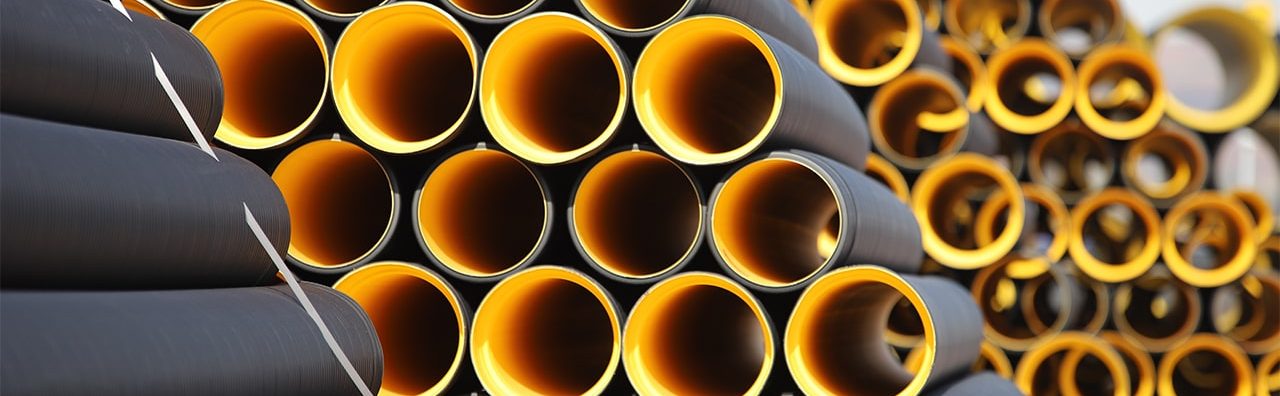
Buyers evaluating Gilsonite for pipe coating should define the coating chemistry and required tests before selecting a grade. The material is a formulation component, not a complete anticorrosion system. Performance depends on the prepared surface, binder system, film continuity, curing, operating temperature and exposure conditions.
Depending on compatibility and dosage, Gilsonite may contribute body, dark colour, hardness and water-resistant characteristics to a bituminous or resin-modified coating. It may also influence viscosity, film formation and adhesion. These effects are formulation-specific and must be confirmed through laboratory trials and service-condition tests; Gilsonite should not be treated as a universal corrosion inhibitor.
Gilsonite Applications in Pipe Coating
Gilsonite can be evaluated in hot-applied bituminous compounds, solvent-based asphaltic coatings and selected resin-modified protective systems. Compatibility with epoxy, polyurethane, polyethylene or other polymers must be demonstrated by formulation trials; the presence of Gilsonite alone does not establish compatibility or coating performance. The coating specification must define the required resistance, application and inspection criteria.
Some of gilsonite application in pipe coating include:
Abrasion Resistant Coatings
Gilsonite may influence hardness and abrasion behaviour when it is compatible with the binder and correctly dispersed. The finished coating must be tested for the handling, installation and service conditions defined by the project.
Corrosion Resistant Coatings
Corrosion protection comes from the complete coating system, including surface preparation, primer, binder, film thickness and continuity. Gilsonite may be evaluated as one formulation component, but corrosion performance and maintenance claims require project-specific testing.
Water Resistant Coatings
Depending on compatibility and dosage, Gilsonite may contribute water-resistant characteristics to a bituminous or resin-modified coating. The result depends on the complete formulation, surface preparation, film continuity and the specified immersion or service-condition tests.
Chemical Resistant Coatings
Resistance to acids, salts, hydrocarbons or other chemicals cannot be assumed from the Gilsonite content alone. The complete cured formulation must be tested against the actual concentration, temperature and exposure time specified for the pipeline.
UV Resistant Coatings
Outdoor exposure and ultraviolet stability depend on the complete cured coating, pigment package and service conditions. Any UV-resistance claim should be supported by the coating specification and an appropriate accelerated-weathering or field test.
Types of Pipe Coating When Using Gilsonite
- Hot-applied coatings where the gilsonite is heated up and applied to the pipe surface using a spray or roller application.
- Cold-applied coatings where the gilsonite is mixed with a solvent and applied to the pipe surface using a brush or spray application.
- Epoxy/gilsonite coatings in which asphaltum is combined with epoxy to provide a strong, durable coating that can resist corrosion and chemical attack.
- Surface-treated coatings where gilsonite is used to provide surface treatment to the pipe before applying another coating, such as fusion-bonded epoxy.
Steps and Processes of
Pipe Coatings Using Gilsonite
Preparing the Surface
The first step in applying gilsonite to coat pipes is to prepare the surface by removing any dirt, rust, or old coating that may be present on the pipe. This can be done by sandblasting, wire brushing, or using a chemical cleaner.
Heating Gilsonite
Processing temperature must be established for the complete binder system and the selected Gilsonite grade. Follow the formulation, equipment limits and safety controls; a single universal temperature is not appropriate for every coating route.
Mixing Gilsonite with Solvent
Where a solvent-based route is used, solvent selection and loading must follow the coating formulation, compatibility testing, local regulations and the supplier safety documentation. Do not select a solvent from a general website instruction.
Applying Gilsonite
Application method, viscosity window and film thickness should be set by the approved coating procedure. Trial panels should confirm wetting, coverage and film continuity before production coating.
Curing
Drying or curing time depends on the binder, solvent system, film thickness, temperature, ventilation and humidity. Use the coating specification and verify readiness through the required test rather than a fixed number of hours.
Quality Assurance
Quality control should document surface preparation, batch identity, mixing conditions, application thickness and visible defects. Acceptance limits must come from the project coating specification.
Final Testing
Final testing may include adhesion, dry-film thickness, holiday detection, impact or abrasion, immersion and chemical-resistance tests when required by the project. The specified method and acceptance criteria should be agreed before production.
Gilsonite Coating in Different Industries
Gilsonite coatings can be used by various industries that require pipes with enhanced protection from extreme weather conditions, corrosion, and abrasion. Some of the industries that commonly use pipes coated by Gilsonite are:
- Oil and Gas Industry:
Gilsonite-coated pipes are commonly used in the oil and gas industry for pipelines, tanks, and other equipment.
Water and Wastewater Industry
Gilsonite application in pipe coating can be used to coat pipes used for carrying water and wastewater, protecting them from corrosion and other environmental damage. - Mining Industry
Gilsonite-coated pipes can enhance the durability of pipes used for transporting mining waste and chemicals.
Highway and Construction Industry
Gilsonite-coated pipes can also be used in the construction of roads, bridges, and other infrastructure that requires protection from weather and wear and tear. - Agriculture Industry:
Agriculture industry is another place where gilsonite-coated pipes can be used for irrigation and drainage systems.
Gilsonite Composition Used in Pipe Coating
The required Gilsonite grade should be selected against the processing route and finished-film target. Key purchasing variables include softening behaviour, ash and moisture limits, particle-size distribution, compatibility or solubility in the selected binder system, batch consistency and the buyer’s acceptance test. No single ash level, softening point or mesh size is correct for every pipe-coating formulation. Confirm the required limits on a representative sample before a bulk order.
Types of Pipes Coated by Gilsonite
For a grade-specific quotation, send the coating type, processing route, required ash and particle size, target softening behaviour, test requirements, trial quantity, commercial quantity, packing and destination.
Review the Gilsonite laboratory specifications, material properties and SDS / MSDS, then contact Asia Gilsonite to request a representative sample or quotation. Return to the Gilsonite applications hub or the Asia Gilsonite homepage.