

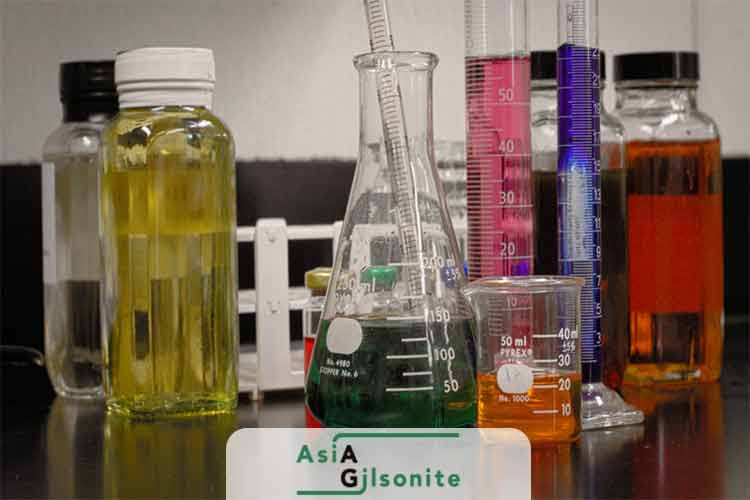
Drilling fluid additives are elements essential in drilling operations, facilitating various controlling processes and enhancing performance. From controlling the viscosity and density of the drilling fluids to preventing formation damage, lubricating the drill bit, and stabilizing the wellbore, these additives serve a range of purposes, all ultimately aiding the operations. Many different types of additives are going to be explored in this article.
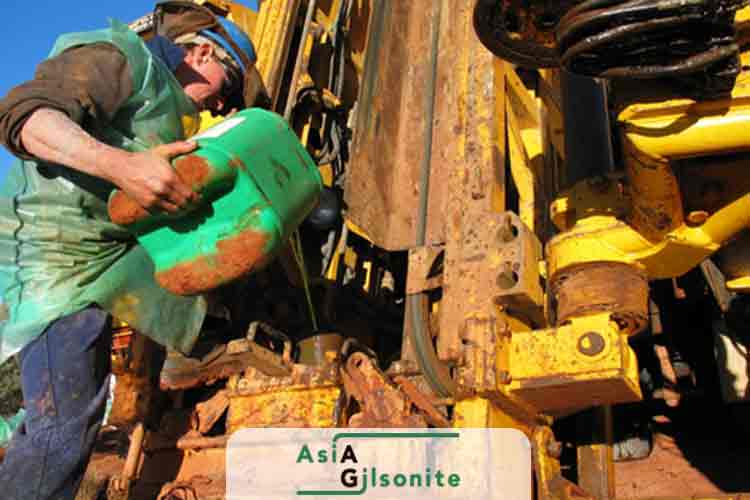

Viscosifiers
Viscosifiers improve the thickness of drilling liquids to carry cuttings away from the wellbore, providing more efficient drilling operations. Polymers, often used as additives, help suspend the drilling particles afloat, avoiding blockages as they settle. This offers improved flow, higher dependability, and better overall service.Additives that Work as Viscosifiers
Bentonite: An all-natural clay mineral, Bentonite serves as a highly efficient viscosifier in drilling muds, helping to raise the fluid’s viscosity and gel strength and allowing it to more easily suspend and transport drill cuttings. Xanthan gum: As a naturally occurring gum, Xanthan offers a range of benefits as a viscosifier in drilling muds. With its ability to raise the viscosity and gel strength of these solutions, it can improve its capacity to suspend and carry drill cuttings with remarkable accuracy and precision. Carboxymethylcellulose (CMC): A synthetic polymer, CMC has become an integral part of many drilling fluid formulas as a viscosifier. By allowing it to raise the viscosity and gel strength of the fluid, it can be used to facilitate the transport of drill cuttings effectively.
Weighing Agents
Weighting agents play an important role in drilling fluids management, as they increase their density to help thwart blowouts and maintain well control. This process isn’t as simple as it might seem; in fact, the addition of weighting agents requires a carefully orchestrated balance in order to be successful.Additives that Work as Weighing Agents
Barite: Barite mineral, often a weighing agent in drilling muds, is added to the fluid in order to enhance its density and prevent blowouts. Hematite: This iron ore, often sought when a weighing agent is needed for drilling muds, is used to increase the density of the fluid to help protect against blowouts. Calcium carbonate: When the need arises to enhance the density of drilling fluids, this mineral is often used as a weighing agent with the intent of preventing blowouts.Lubricants
Drilling can often present itself with a unique set of challenges and complexities. Lubricants are essential additives that can help to reduce the friction, torque, and drag between the drill string and the wellbore, thereby minimizing wear and tear on the drilling equipment.Additives that Work as Lubricants
Oil-based lubricants: Oil-based lubricants are an essential component of drilling fluids, and can reduce friction between the drill string and the wellbore, minimizing torque and drag which facilitates smooth and efficient operations. Examples of these lubricants include mineral oils, diesel oil, and synthetic oils. Emulsifier: Emulsifiers, special additives that create stable oil-in-water emulsions, also assist in the incorporation of oil-based lubricants into water-based drilling muds. Graphite: Graphite, a solid lubricant, can form a thin layer on the drill string and wellbore surfaces, helping to reduce friction, and is especially useful in high-temperature drilling conditions. Molybdenum disulfide (MoS2): This additive proves an effective lubricant in both water-based and oil-based drilling muds, forming a low-friction coating on the drill string and wellbore surfaces. All these elements contribute to a heightened degree of performance in drilling operations.Stabilizers
Stabilizers are key components essential for preventing wellbore instability during drilling operations. They not only are effective in controlling the reactivity of the drilling fluid with the formation but also can reduce the risk of wellbore collapse or formation damage in formations prone to swelling or sloughing.
Additives that Work as Stabilizers
PHPA (Partially Hydrolyzed Polyacrylamide): A synthetic polymer that has a multitude of uses in drilling operations due to its ability to form a thin, flexible filter cake on the wellbore wall. This filter cake helps to reduce fluid loss and protects against wellbore instability in even the most challenging conditions. PHPA offers superior protection compared to other stabilizers available, particularly when dealing with reactive formations. Its unique molecular structure allows it to move and self-adjust to any changes that occur downhole, making it an invaluable asset to the drilling process.Filtration Control Agents
Filtration control agents also referred to as fluid loss additives, are used to maintain the rate of filtration of the drilling fluids. These agents form an impermeable, yet thin, filter cake on the walls of the wellbore which serves to inhibit fluid loss into the formation. This action is paramount to sustain wellbore stability and safeguard against irreparable formation damage.Additives that Work as Filtration Control Agents:
Cellulose Derivatives: Cellulose-based materials like carboxymethylcellulose (CMC) and hydroxyethyl cellulose (HEC) are employed as filtration control agents, primarily due to their ability to form a flexible filter cake on the wellbore wall, thereby reducing fluid loss while also preventing the seepage of drilling muds into the formation. Synthetic Polymers: Different synthetic polymers, such as partially hydrolyzed polyacrylamide (PHPA), polyacrylates, and polyvinyl alcohol (PVA) are also job-suitable for filtration. These polymers form a protective filter cake, which allows a certain degree of prevention from the invasion of drilling mud into the formation. Starches: Starch, such as corn starch and potato starch, can also be used as a filtration control agent due to its ability to form a filter cake on the wellbore wall, consequently reducing the amount of fluid loss. Lignosulfonates: Lignosulfonates are derived from wood pulp, and they are effective filtration agents that form an effective, thin, and impermeable filter cake on the wellbore surfaces. Among advanced drilling fluid additives, Gilsonite plays a vital role in enhancing drilling mud performance in demanding oil and gas operations. Gilsonite is widely used as a natural filtration control and wellbore‐strengthening additive that helps reduce fluid loss, improve shale inhibition, and stabilize weak or fractured formations. By incorporating Gilsonite into drilling fluid systems, operators can minimize formation damage, improve lubricity, and maintain wellbore integrity under high temperature and high pressure (HTHP) conditions. Due to its unique sealing and bonding properties, Gilsonite has become a preferred drilling fluid additive in modern drilling applications. Learn more about the industrial uses of Gilsonite in drilling fluid formulationsConclusion
In conclusion, drilling fluid additives are essential components in drilling operations. Different types of additives, such as viscosifiers, weighting agents, lubricants, stabilizers, and filtration control agents, are used for specific functionalities. The use of these additives ensures efficient drilling operations, improves performance, and prevents potential issues like blowouts, wellbore instability, and formation damage. Therefore, the importance of drilling fluids additives cannot be overstated in the drilling industry.Gilsonite and Fluid-Loss-Control Resources
Gilsonite can be evaluated as a natural filtration-control and wellbore-strengthening additive within a complete drilling-fluid formulation. Review Gilsonite as an FLC additive and use the Gilsonite applications hub to connect drilling-fluid use with other industrial pathways. Grade, particle size and treatment level should be confirmed by laboratory testing.