

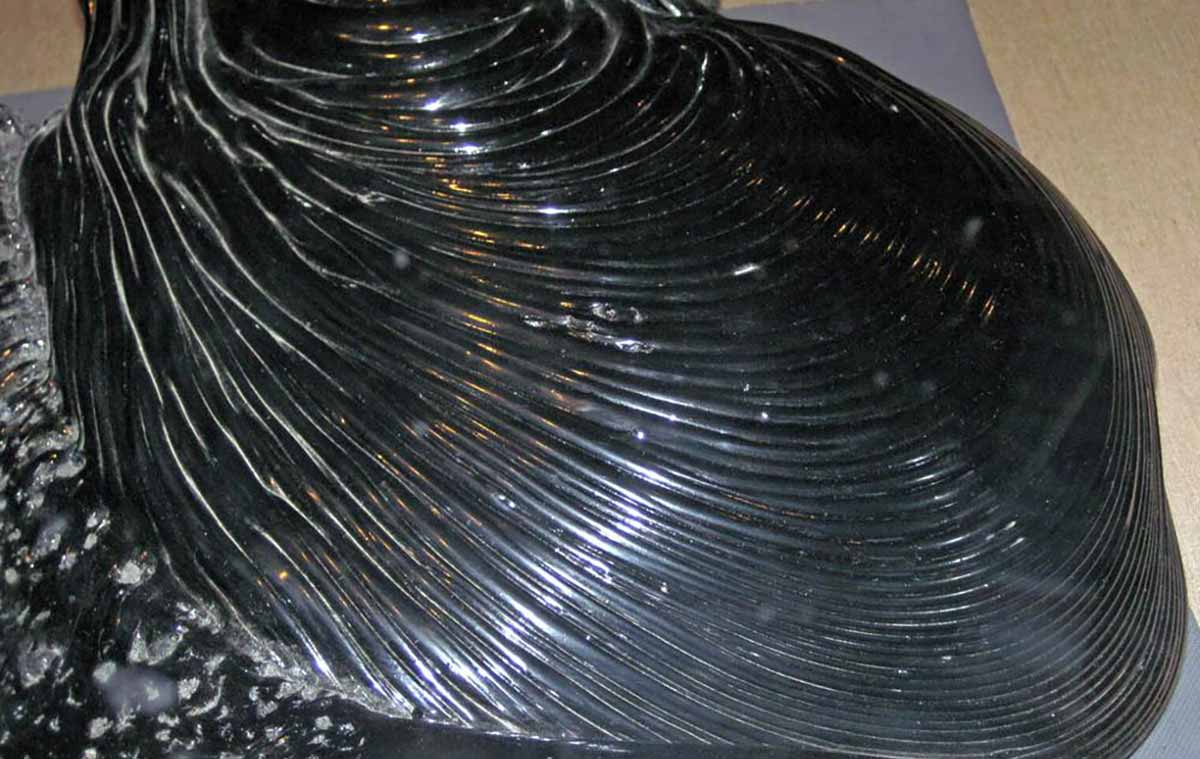
Gilsonite Analysis: What Buyers Should Check
Gilsonite analysis describes the measured properties of a particular sample, production lot or natural grade. Because Gilsonite is a naturally occurring asphaltite, analytical values vary by deposit and selected material. A useful analysis should therefore identify the properties that matter for the intended industrial application rather than present one universal composition for all Gilsonite.
Asia Gilsonite normally discusses quality with buyers in terms of ash content, moisture, particle size or mesh, softening behavior and other application-specific parameters. For the commercial acceptance limits offered by grade, see our separate Gilsonite specifications and grades page.
Analysis vs. Specification
An analysis reports measured test results for a sample or batch. A specification defines the agreed limits a supplied grade must meet. Keeping these two concepts separate is important for purchasing, inspection and quality control.
For example, a purchase specification may set a maximum ash or moisture level and a required particle-size range. The corresponding analysis or certificate then reports the result obtained for the tested material.
Key Gilsonite Quality Parameters
Ash Content
Ash is the inorganic residue remaining after the organic material is burned under the selected test method. It is one of the most important commercial grade indicators. Asia Gilsonite commonly supplies grades around 10% and 15% ash, with lower-ash material available when the application requires it. Lower ash is not automatically necessary for every formulation.
Moisture
Moisture is monitored because excessive water can affect handling, storage and downstream processing. The acceptable limit should be defined in the purchase specification and verified for the offered material.
Particle Size and Mesh
For ground Gilsonite, particle-size distribution affects dispersion, mixing and application performance. Different industries require different mesh ranges; fine grades such as 200 mesh are commonly requested for drilling applications. See Gilsonite powder grades and mesh sizes.
Softening Behavior
Softening point or related thermal behavior can be important in asphalt, coatings and other formulations. Values depend on natural grade and test method, so buyers should compare results produced under the same method and confirm the required range before ordering.
Solubility and Composition
Gilsonite is a complex natural hydrocarbon material containing asphaltene and resin fractions together with naturally occurring mineral matter and heteroatoms. Solubility depends on the solvent system and grade. A generic web value should not be treated as a batch guarantee. For background chemistry, see Gilsonite chemical composition and Gilsonite properties.
Choosing Analysis Parameters by Application
For drilling fluids, buyers typically focus on ash, moisture, particle size and compatibility with the mud formulation. For asphalt and road applications, particle size, ash and softening behavior may be more important together with performance testing in the selected binder. Other industries may request additional application-specific tests.
See the main Gilsonite applications hub to match technical data to the intended use.
Quality Control Before Shipment
Asia Gilsonite has more than 25 years of experience producing and exporting Gilsonite. Quality should be confirmed against the agreed purchase specification before shipment. Buyers may also arrange independent inspection or nominate a representative when required. Test requirements and inspection scope should be agreed before loading.
For handling and safety information, refer to the Gilsonite SDS / MSDS and the product-specific documents supplied with the shipment.
For an overview of export-grade Gilsonite, its industrial uses and supply capabilities, visit the Asia Gilsonite homepage.


very good