

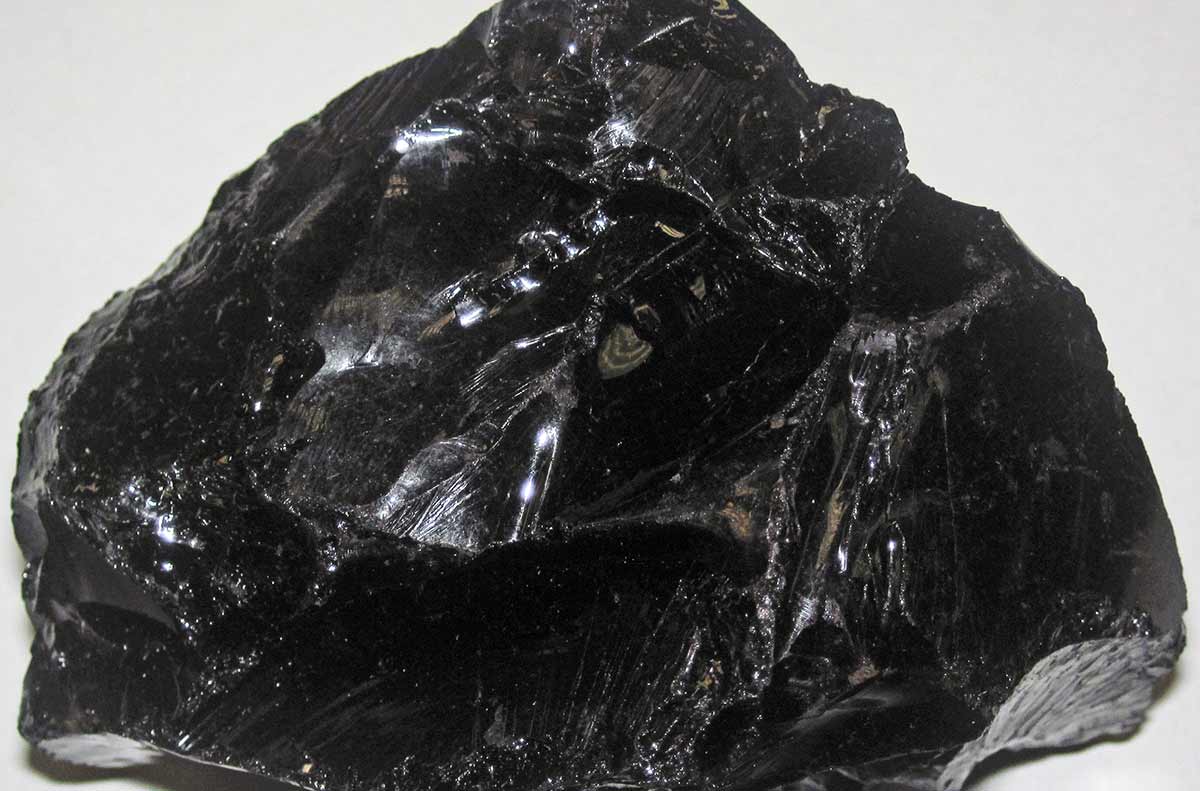
Gilsonite FLC for Drilling Fluids
Gilsonite FLC is natural Gilsonite used as a functional additive in drilling-fluid systems where fluid-loss control, sealing and wellbore stability are important. In the right formulation, finely ground Gilsonite can help form a low-permeability barrier at the wellbore and bridge small pores and micro-fractures that contribute to filtrate invasion.
This page focuses specifically on Gilsonite for fluid loss control (FLC). For the broader role of Gilsonite in mud systems, including drilling-fluid types and formulation context, see our Gilsonite for drilling fluids page.
How Gilsonite Supports Fluid Loss Control
During drilling, filtrate can move from the drilling fluid into permeable or fractured formations. A properly designed fluid-loss system aims to limit that invasion and support a thin, low-permeability filter cake. Gilsonite is used in this type of system because its particle size, natural resinous character and softening behavior can contribute to sealing and bridging under suitable downhole conditions.
- Bridging: solid particles can help bridge small openings and micro-fractures.
- Sealing: Gilsonite can contribute to a less permeable barrier at the wellbore face.
- Wellbore stability support: reducing filtrate invasion can be one part of a broader stability program.
- Formulation flexibility: Gilsonite may be incorporated with other drilling-fluid additives according to mud type and operating conditions.
Gilsonite FLC Particle Size and Grade Selection
Particle size is a key selection parameter because sealing performance depends on matching the solids to the pore and fracture structure being treated. Asia Gilsonite supplies ground material in controlled mesh ranges, including fine grades such as 200 mesh that are commonly requested for drilling applications. The required size distribution should be confirmed against the customer’s mud program and laboratory tests.
Ash content, moisture and softening characteristics also vary by natural grade. Our commonly supplied commercial options include approximately 10% and 15% ash grades, with other specifications available where an application genuinely requires them. Compare the current Gilsonite specifications and grades and Gilsonite powder information before ordering.
Where Gilsonite FLC Is Used
Gilsonite FLC is selected for drilling programs where engineers need an additional solid, carbonaceous sealing material within the fluid-loss-control package. The actual concentration and combination with other additives depend on the mud system, formation, temperature, pressure and target filtration performance. Field use should therefore follow the drilling-fluid designer’s program rather than a universal dosage.
Gilsonite can be considered in oil-based, synthetic-based or other compatible mud systems when laboratory testing shows that the grade and particle size suit the formulation. Compatibility should always be checked before field application.
Gilsonite FLC vs. General Drilling-Mud Additives
Gilsonite FLC has a narrower intent than a general drilling-mud page. Weighting agents control density, viscosifiers adjust rheology, emulsifiers stabilize emulsions, and dedicated filtration-control materials address filtrate behavior. Gilsonite is used where its sealing, bridging and natural asphaltite properties add value to the selected fluid-loss and wellbore-stability strategy.
For a broader overview of Gilsonite’s industrial roles, visit the Gilsonite applications hub. Physical characteristics are summarized on our Gilsonite properties page.
Quality Information and Safe Handling
Because Gilsonite is a natural material, buyers should specify the required ash content, moisture, mesh and quantity for each order. Product quality should be verified against the agreed specification before shipment. For handling, dust control and safety information, review the Gilsonite SDS / MSDS and the shipment-specific documents supplied with the material.
Ordering Gilsonite FLC
Asia Gilsonite has more than 25 years of experience producing and exporting Gilsonite. For a drilling-fluid quotation, send the mud application, required mesh or particle-size target, ash requirement, quantity, packing preference and destination. We can then match the requested specification to the appropriate production grade.