

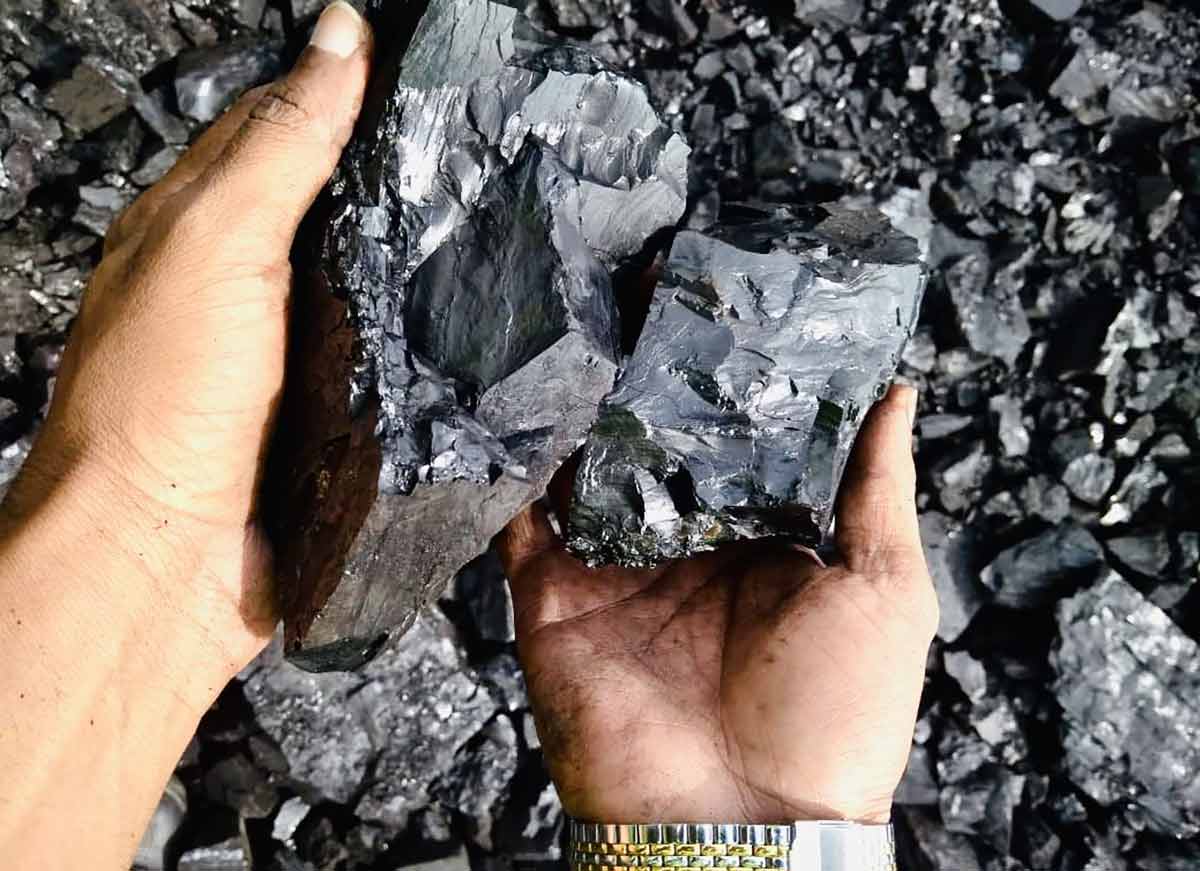
Gilsonite is a naturally occurring, solid bitumen also known as uintaite. Its geological origin is different from the industrial process that crushes and grades mined material into Gilsonite powder. This guide explains the proposed formation of well-studied deposits and what a buyer should check when selecting a commercial grade.
How does Gilsonite form?
Studies of the Uinta Basin in Utah link Gilsonite deposits to petroleum generated from organic-rich sedimentary rocks. Petroleum migrated through the basin and entered fractures; the material in those fractures became solid, forming the steep veins or dikes described by geologists. The precise history of an individual deposit requires local geological evidence. Gilsonite formation is a long geological process, not a recent volcanic event.
The U.S. Geological Survey study of petroleum generation and migration identifies the Green River Formation oil-shale interval as a likely source for Gilsonite deposits in the Uinta Basin. Its report on Gilsonite dikes documents the geometry and structural setting of those veins.
Where is Gilsonite found and how is it mined?
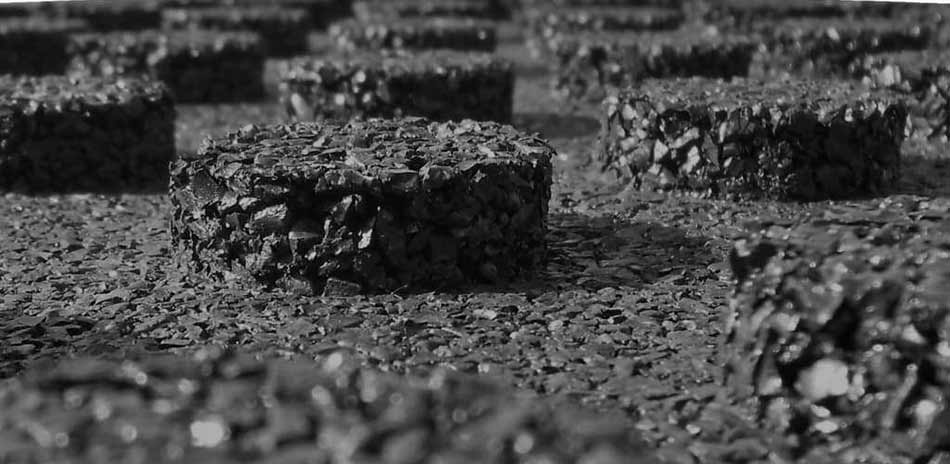
The Uinta Basin is a well-documented occurrence of vein-hosted Gilsonite. Natural bitumen deposits are also reported in other regions, including Iran, but their geology, composition and commercial grades should be described using evidence from each deposit. Mining method depends on local vein geometry, depth and site conditions. For the geographic overview, see where Gilsonite is found.
Does Gilsonite have one chemical formula?
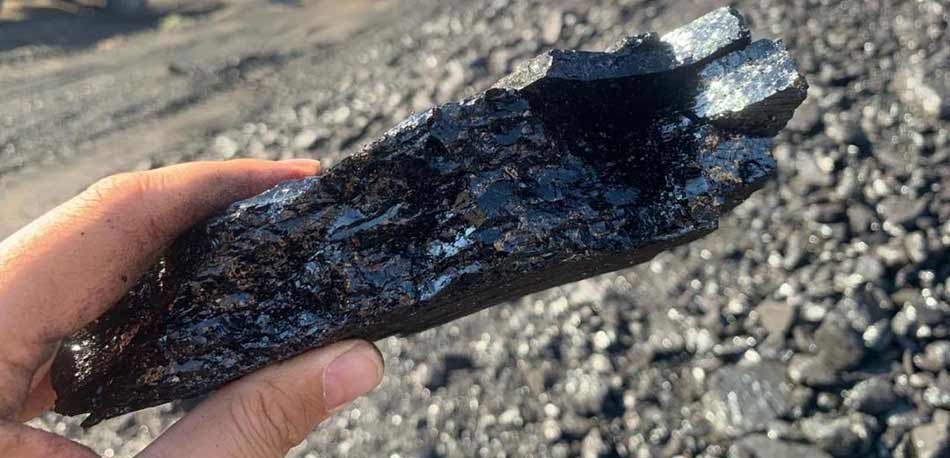
No. Gilsonite is a complex natural mixture of hydrocarbons and related compounds, not a pure molecule with one fixed formula. Composition and ash content can vary by source and grade. A formula quoted without a defined compound and test method should not be used to specify a commercial shipment. Read the chemical composition guide and compare the measured analysis for the offered material.
From geological origin to industrial grade
Geological origin alone does not determine suitability for an application. Buyers should specify ash, moisture, softening behavior, form and particle size against the intended process. The Gilsonite specifications page explains lump and powder requirements, while the applications hub links to drilling, asphalt, coatings and other uses. For the supplier overview and export options, visit Asia Gilsonite.